

|
The National Blood Transfusion Service
(NBTS) Policy Guidelines aim at providing guidance towards the
establishment of well-organized blood transfusion services, in line with
the World Health Assembly Resolution WHA 28.72 (adopted in 19th May 1975)
that urges all member states to develop comprehensive and well-coordinated
blood transfusion service based on voluntary, non-remunerated blood
donation.
A well-organized Blood Transfusion Service (BTS) is a vital component
of any health-care delivery system. An effective strategy for Blood Safety
is required for elimination of transfusion-transmitted infections (TTIs)
and for provision of safe and adequate blood for the people in need. The
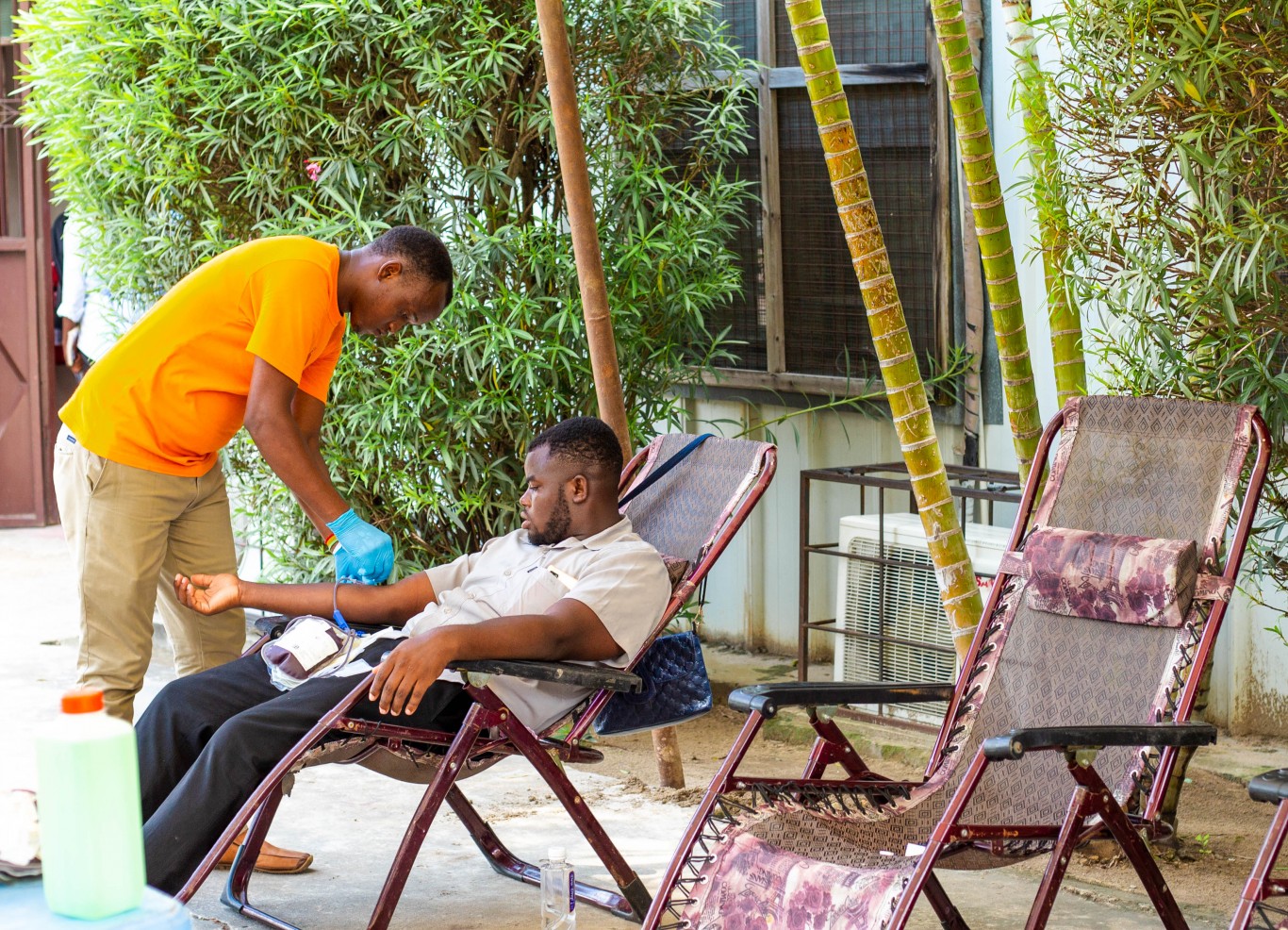
main component of an effective strategy includes collection of blood from
voluntary, non-remunerated blood donors (VNRD), screening for all TTIs and
reduction of unnecessary transfusion. From 2003 to 2007, The Government of
Tanzania in collaboration with US Government renovated 7 zonal centres
where NBTS activities will be implemented. These zonal centres (ZC)
which are geographically named are Lake (Mwanza), Northern (Moshi),
Western (Tabora), Eastern (Tabora), Southern (Mtwara), Southern-Highland
(Mbeya) and Zanzibar.
Our NBTS like any other blood safety programme worldwide is critical in
addressing quality services at all levels of implemention to ensure safe
blood vein to vein that is from the blood donor to the recipient
(patient). For quality, safety and efficacy of blood and blood products
and for effective clinical use of blood it is necessary to have
well-equipped blood centres with adequate infrastructure and trained
personnel guided NBTS guidelines. These are National Blood Transfusion
Policy Guidelines, Blood Donor Recruitment and Retention Guidelines,
Guidelines on the Clinical Use of Blood and Blood Products,Specific Blood
Transfusion Practice Guidelines.
=DONATE BLOOD SAVE LIFE=
|